




























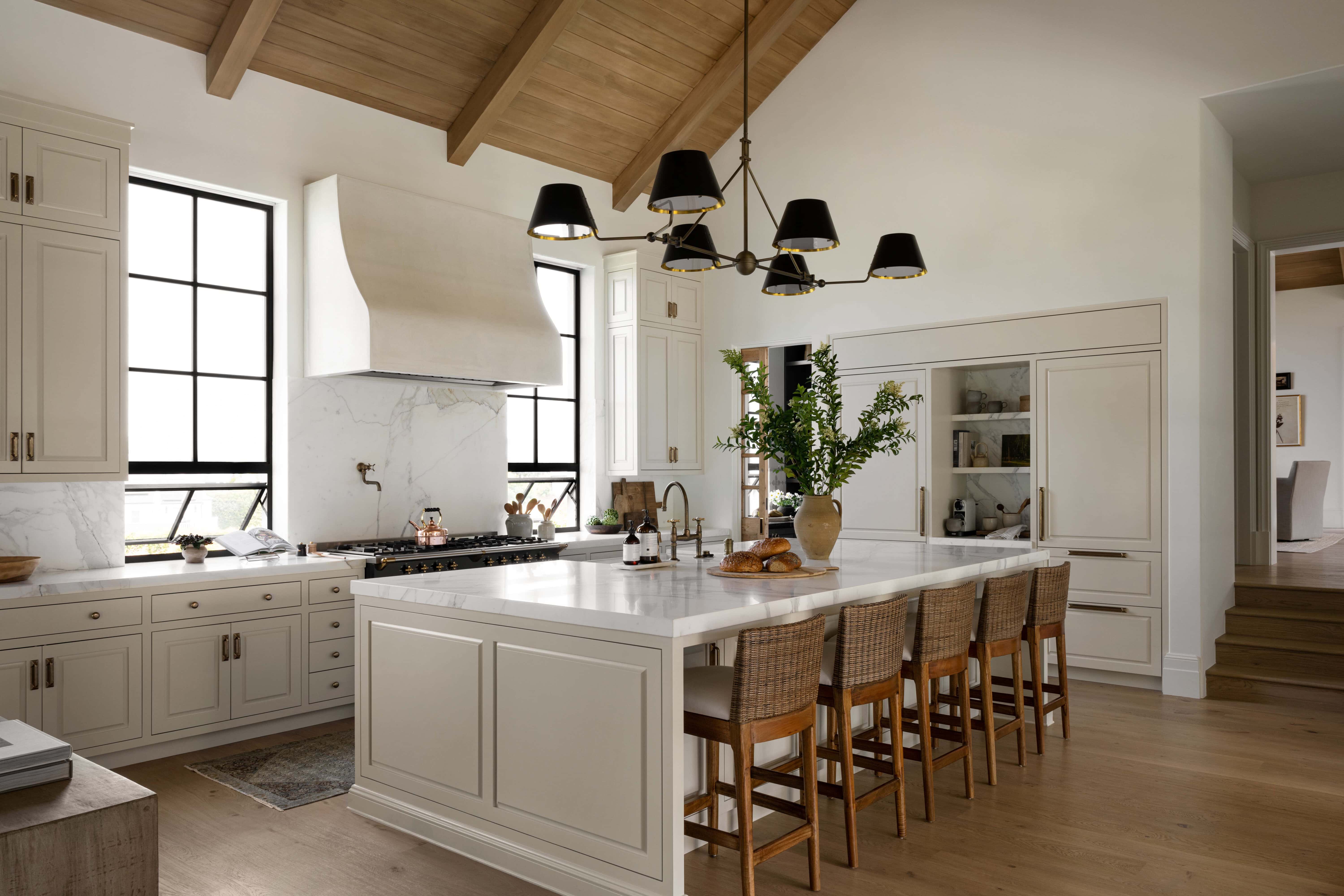


How to Mix-And-Match Dining Seating
Balance shapes and styles for an elevated gathering.
22 October –
How to Mix-And-Match Dining Seating
Contents
Your dining area shouldn’t feel like a museum—mixing chair styles can turn it into a space that’s both cohesive and full of personality. In this post, we’ll walk you through essential tips for blending materials, shapes, and scale to create a dining setup that feels thoughtfully curated (not chaotic).
You deserve to love your dining space, and choosing the right chair combination is key to creating a beautiful and functional gathering area in your home. The dining room is one of the most used spaces, so finding dining table chairs that complement your style and fit your layout is essential. You may be wondering: how do you choose the right dining chairs, when should you mix and match seating, and how can you ensure your selections fit the scale of your table? Whether your home features an open floor plan or a more defined dining area, we’re here to help. In this guide, we share four expert tips for mixing and matching dining seating to create a space that feels cohesive, inviting, and timeless.


01
Tone and Material
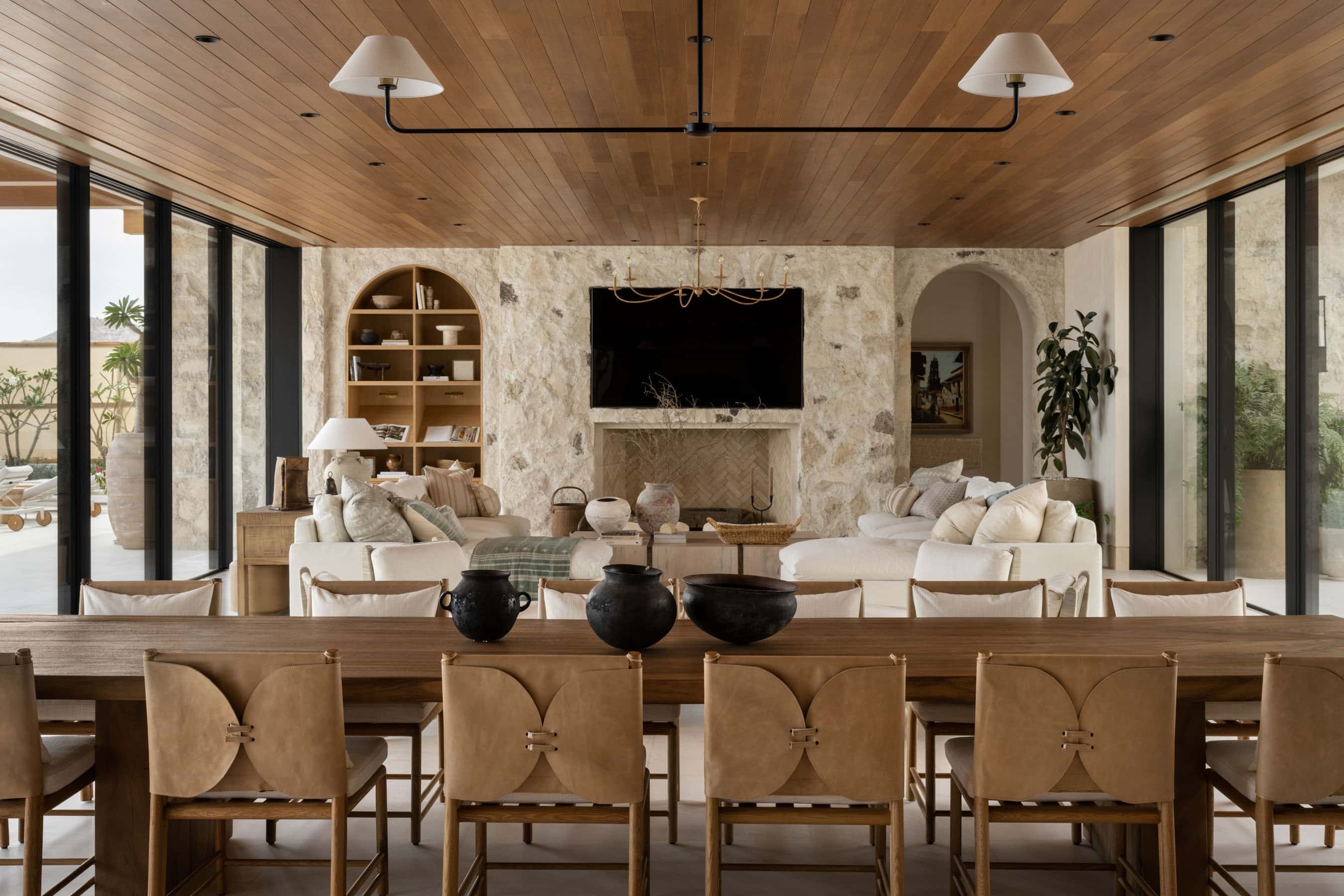
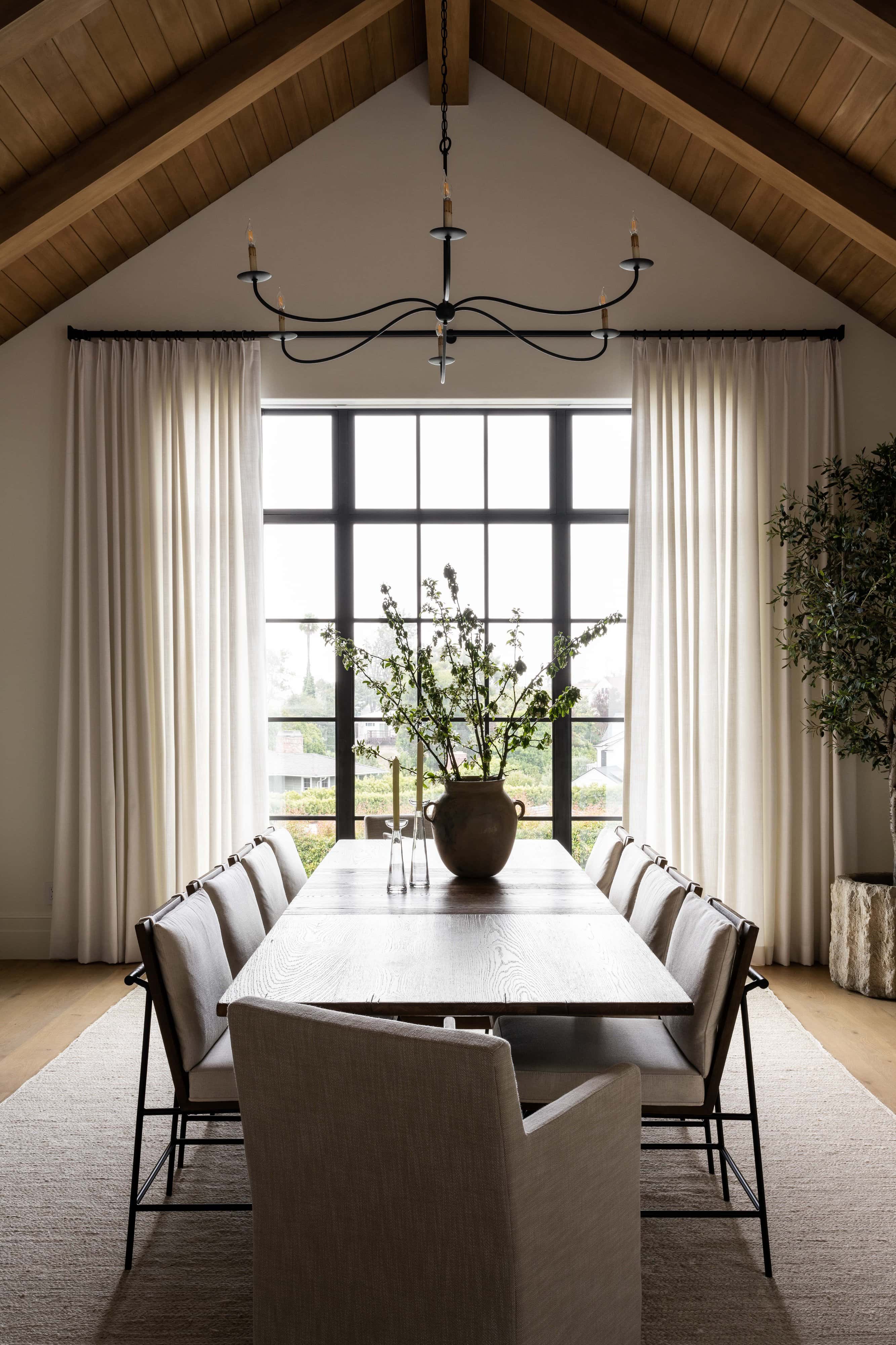
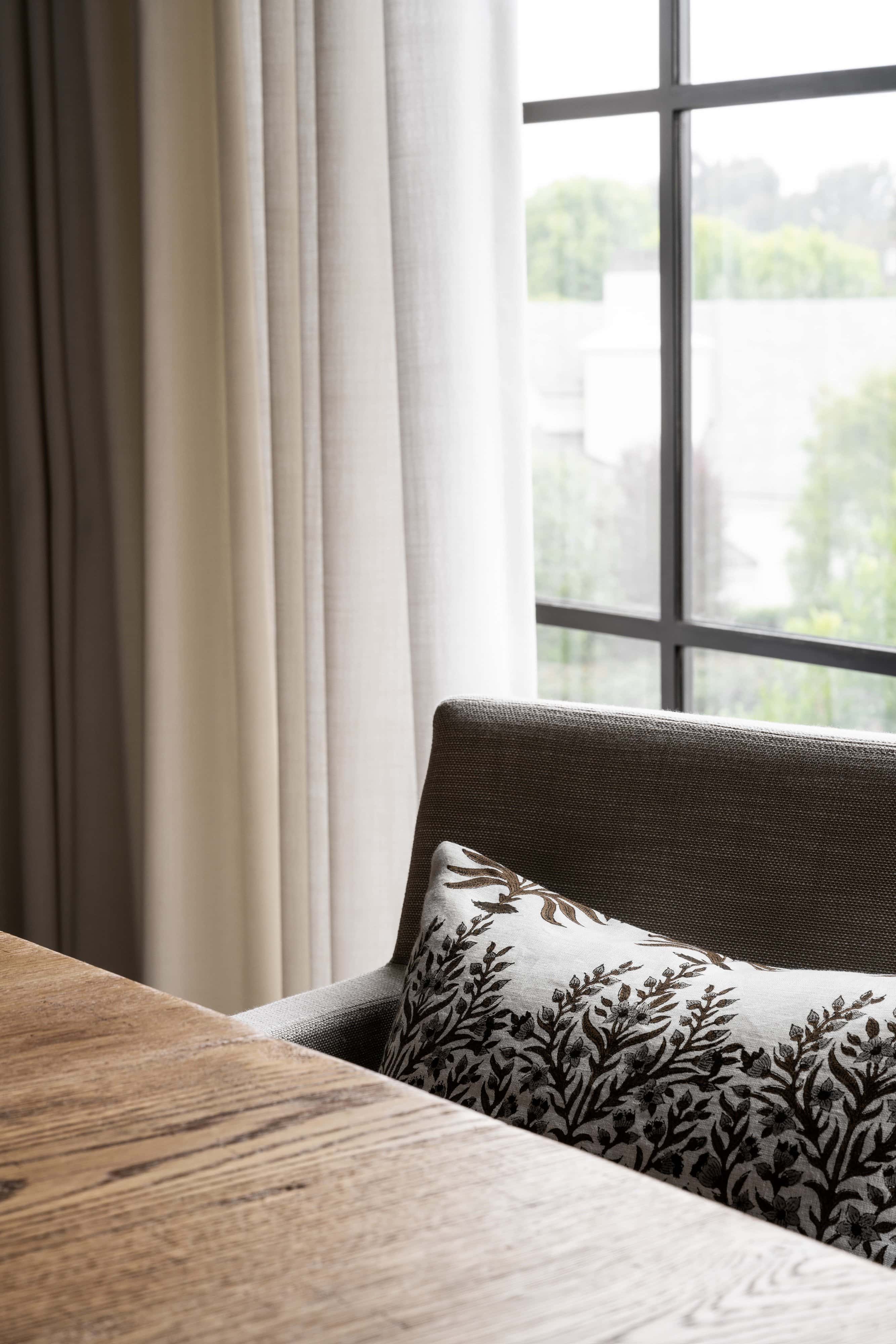
The best way to create tonal balance is by mixing the chairs’ tones and materials with the dining table’s tone. “There are warm tones on this chair,” Shea says of the pairing below. The leather accents of the chairs provide a strong divergence from the wood table, helping the chairs make their own statement capable of standing alone if the table were removed. The rich, ink linen fabric on the captain’s chairs—the Elton Chairs by McGee & Co.— are yet another design choice centered around contrasting in a curated and collected way. “I like solid upholstered chairs for the ends of the table if you choose to mix-and-match, because it gives the eye a nice break,” she concludes.
“When I’m choosing a dining table and chairs, I’m considering how they speak together without being a set.”
Shea McGee


02
Weight and Shape
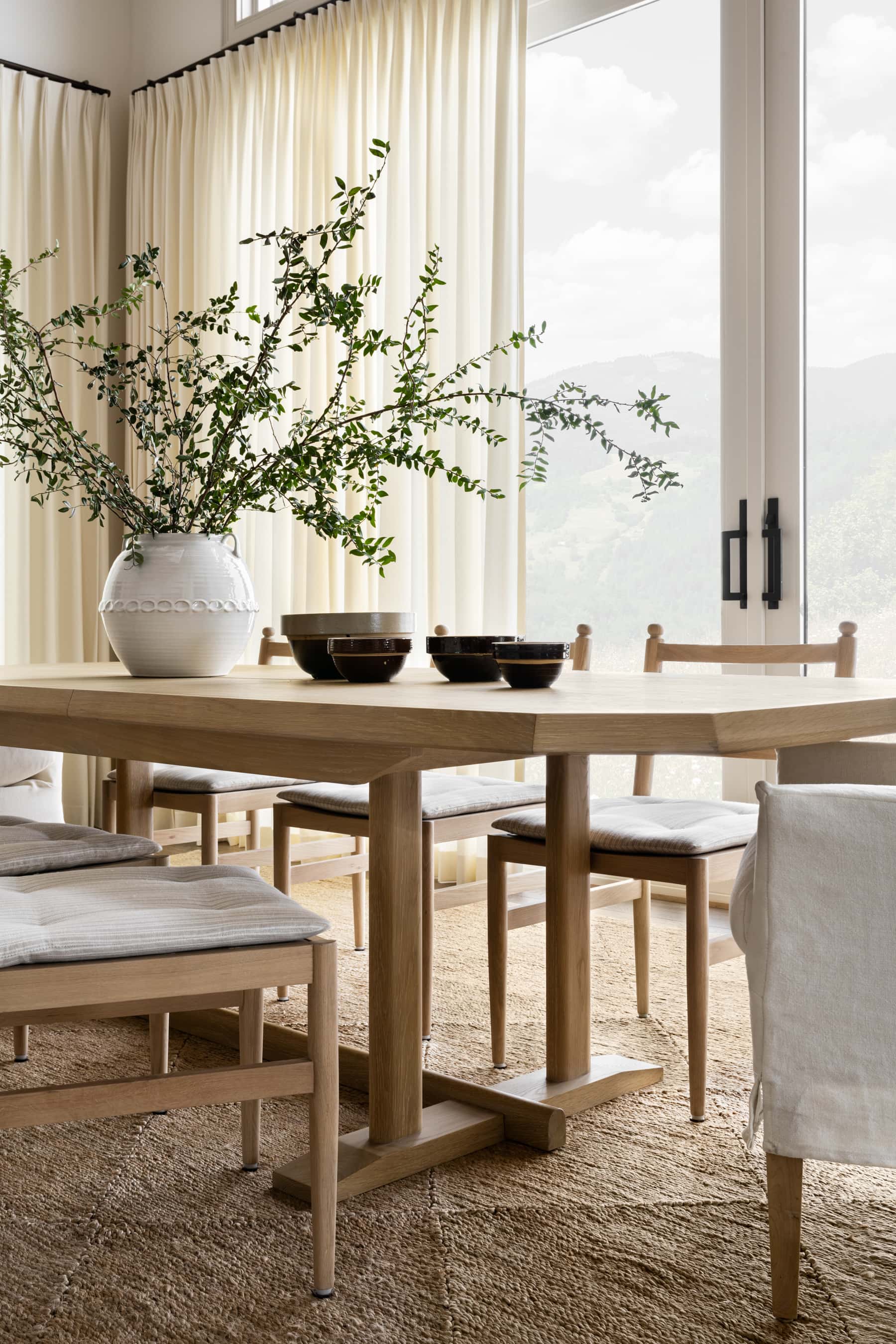
The second key element to consider when mixing and matching dining seating is selecting chairs that have contrasting weights. For example, if your end chairs have chunky legs, keep the others simple and thin. “I don’t want the legs to feel like they’re clashing,” Shea explains. In the dining room pictured below, Shea selected chairs with leg details to go around the table and chose fully upholstered chairs with no legs for the ends. “I wouldn’t love this pairing as much [if each piece had similar legs]. Always pick a chair with more substantial weight when you’re mixing and matching [with slender chairs],” Shea adds. If your mixed and matched end chairs are too similar to your other chairs, the legs will feel repetitive and in competition with one another.



03
Size of Space
“The best way to approach your seating is by thinking through all of the tones, finishes, and shapes in the room.”
While the video goes into detail about the previous two points, there are a few other considerations worth taking into account. When creating your seating pairings for the dining room, both the size of your space and whether it is an open or closed concept should inform your choices.
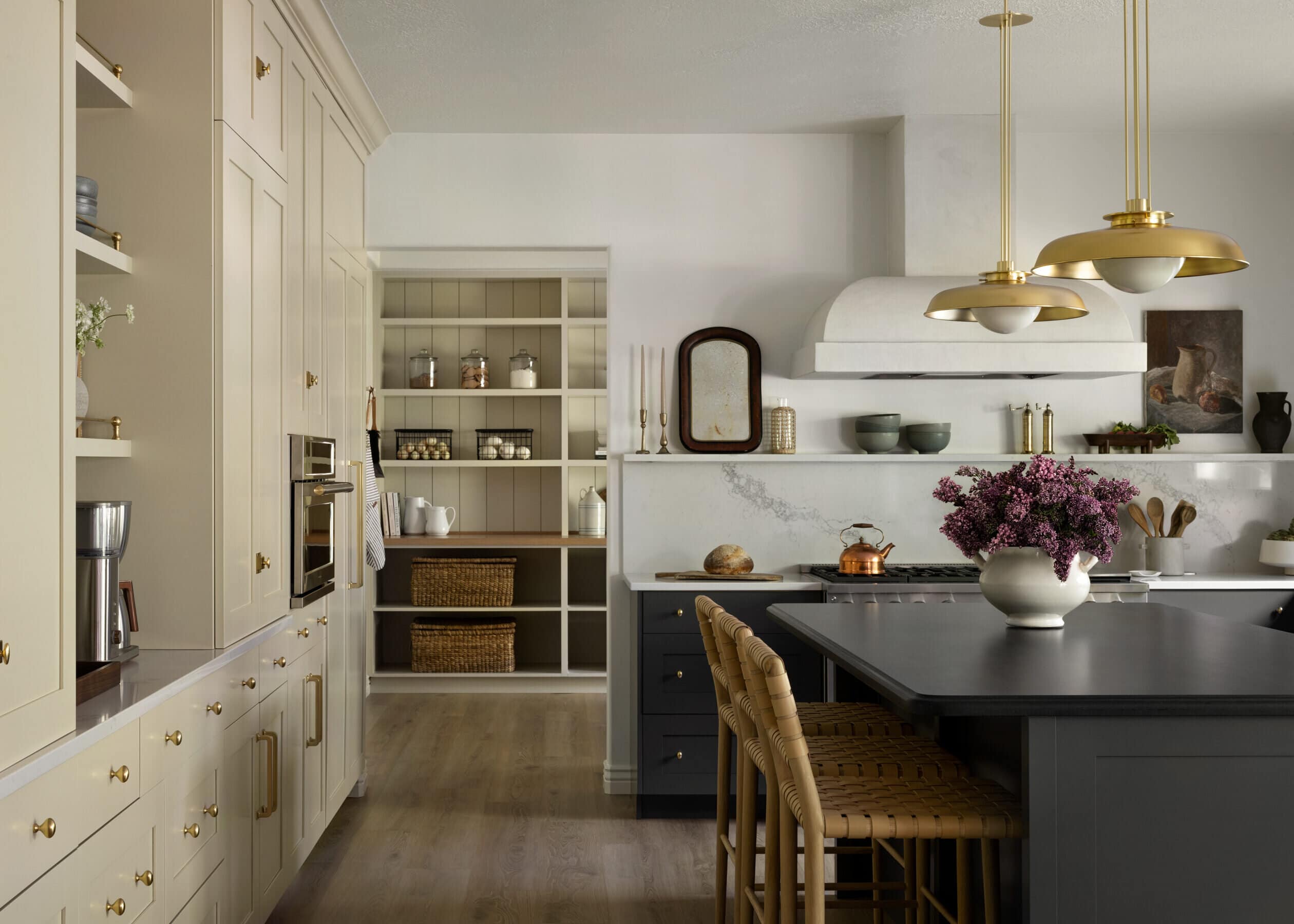
“In an open concept,” Shea explains, “the best way to approach your seating is by thinking through all of the tones, finishes, and shapes in the kitchen and dining room.” If you can see the counter stools from your dining room, make sure to include them in your thought process. You may consider incorporating metal into the counter stools and reserving wood tones for the dining room, or using wooden counter stools and selecting iron and fabric seating for your dining room.
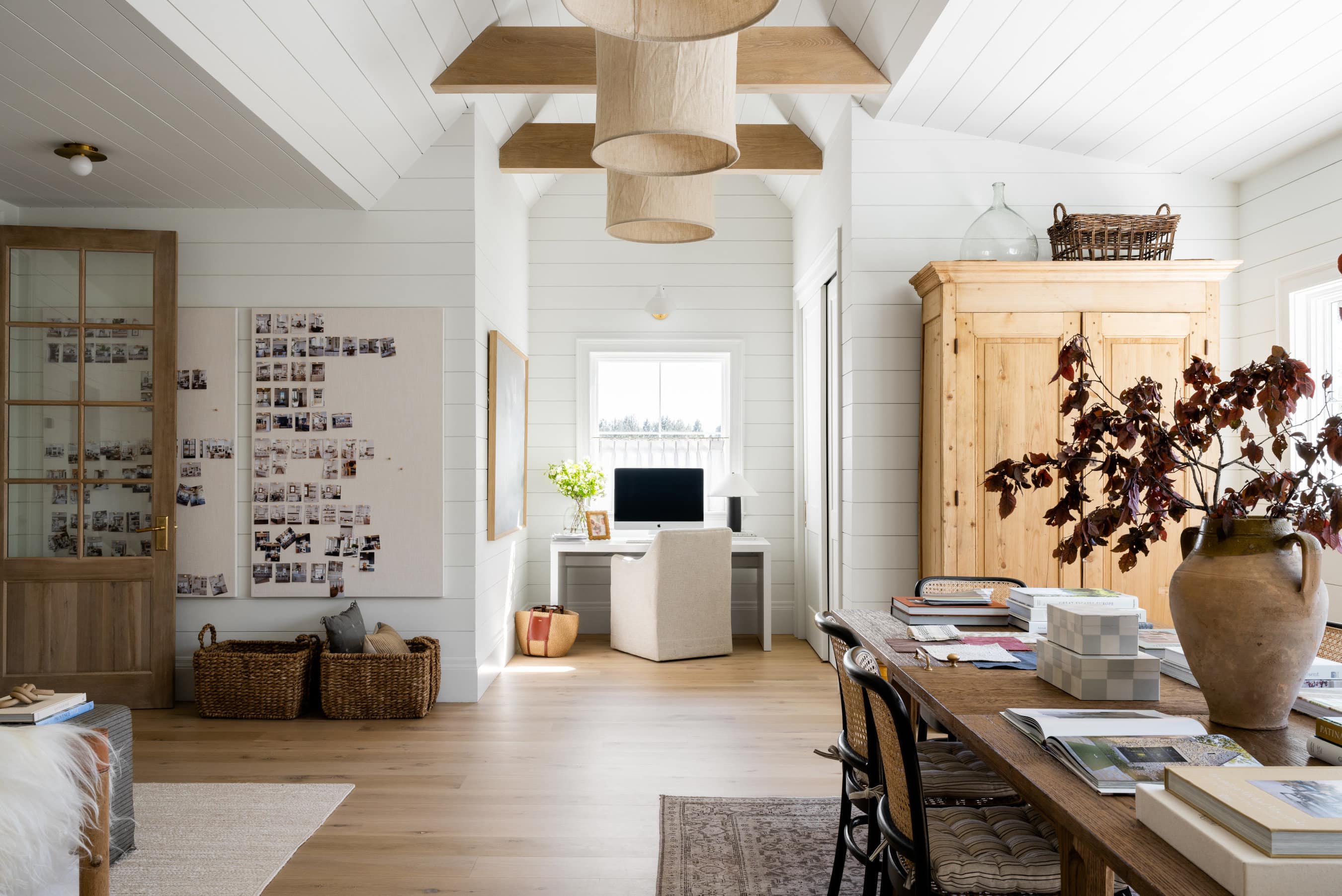
In smaller spaces, try to be cautious of how many different materials you are using, making sure they are not too consistent but not completely random. For example, you might use a wood table, black dining chairs, and a wooden bench. Speaking of benches, another foolproof way to mix-and-match dining seating is by incorporating a bench. It’s great for small spaces, and it also allows for more flexible seating for guests or large gatherings.




04
Table and Style
Consider the style you want and the shape of your table. These two things will help inform your decision to mix-and-match, as well as what shape of chair you choose. “I hardly ever do mixed chairs around a circular table,” says Shea. “Round tables usually call for a continuous look.” Mixed and matched seating works far better on rectangular tables, which leave room for switching up the side and end chairs. Create a more formal, timeless feel by pairing side chairs without arms alongside end chairs with arms, or vice versa. This gives a more classic feel than mixing upholstery and shapes, which is a bit more collected.
Finally, if you’re looking to make a change, consider swapping out the end chairs of your rectangular table for something new. Firstly, there’s less to buy so it’s a more wallet-friendly option. But they also make a strong statement, allowing them to breathe new life into your dining room. You can also play with tie-on cushions, which is a nice way to keep up with trends or play with the material, color, and fabric of your upholstered or cushioned chairs.


You May Also Like