



















Bedroom Design FAQs
You asked, and we’re here with answers.
13 January –
Let’s dive into your most pressing questions about designing the perfect, most relaxing bedroom and explore our tips to make the space both functional and beautiful.
Bedroom interior design is more than just furniture and paint colors—it’s about creating a space that feels like a personal retreat. Over the years, we’ve received countless questions about how to make bedrooms feel cozy, stylish, and functional, and we’re here to share our best bedroom interior design ideas. Whether you’re looking to mix and match furniture, layer bedding like a pro, or maximize a small footprint, this FAQ post is filled with insights to help you create the best bedroom interior design styling.


QuestionHow to design a bedroom with a small footprint?
AnswerSmall bedroom design ideas require thoughtful planning to maximize space and functionality. Start by prioritizing essentials, focusing on key pieces like the bed and a dresser to avoid overcrowding. Rethink nightstands by choosing smaller, legged options or asymmetrical setups that save space. Utilize wall space creatively with art or wall treatments to create focal points without taking up precious floor space. Layer in lighting with sconces or other fixtures to enhance ambiance without occupying surfaces. Finally, consider adding a mirror to make the space appear larger and more open.
Read How To Make A Small Bedroom Feel Designer here.

Shop McGee & Co.
Floor Mirrors

Gala Floor Mirror
McGee & Co.

Breslin Floor Mirror
McGee & Co.

Giles Floor Mirror
McGee & Co.


QuestionHow to mix and match furniture colors and styles to create a cohesive look?
Answer
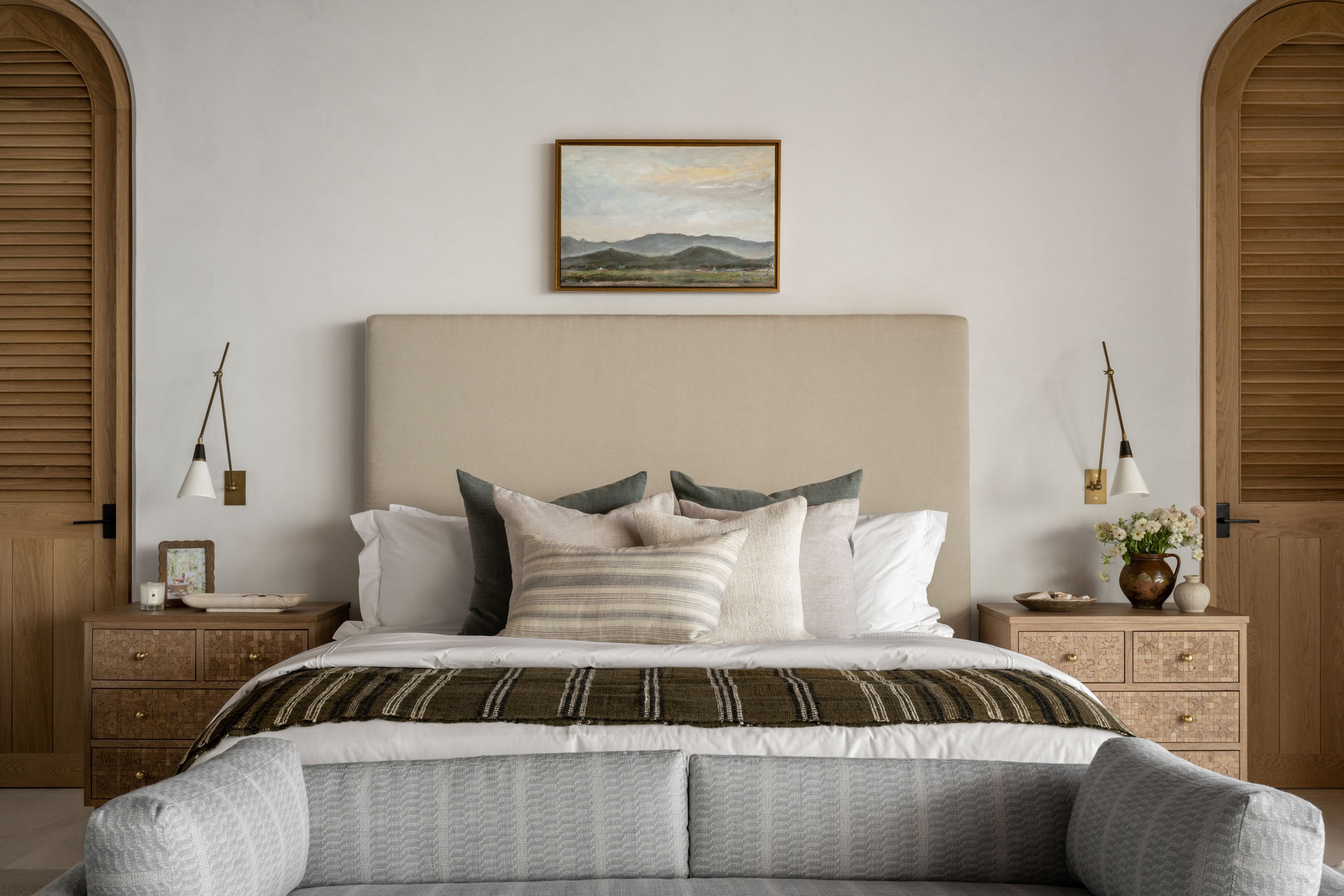
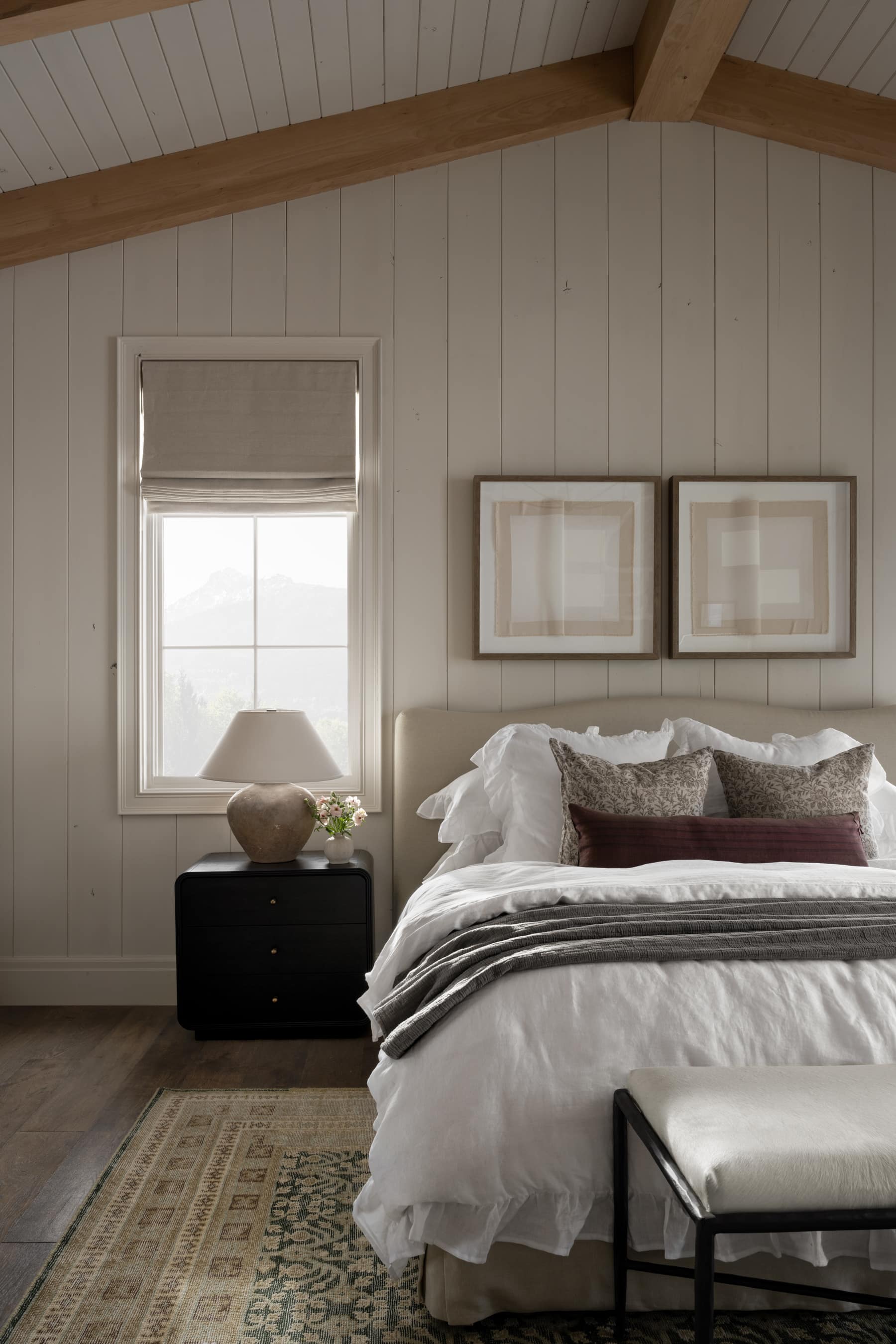
There isn’t a one-size-fits-all approach to designing a bedroom, as it really depends on your style and home. While some prefer matching furniture for a cohesive look, at Studio McGee, we embrace mixing styles to create a more thoughtfully designed space. Layering different styles, wood tones, and materials adds depth and dimension. Typically, we stick to a maximum of two contrasting wood tones in any room—like pairing a light oak nightstand with a dark mahogany dresser. While black wood is considered a neutral, pairing a black wooden bed with wood nightstands may feel too harsh, so we often recommend introducing another material to bring warmth.
Read How to Pair Nightstands, Beds & Dressers here.

Shop McGee & Co.
Nightstands

Wilkins Nightstand
McGee & Co.

Mackenna Nightstand
McGee & Co.

Tellerbeck Nightstand
McGee & Co.
Shop McGee & Co.
Pillows
QuestionHow to subtly incorporate color into a neutral room without it feeling too bold?
Answer
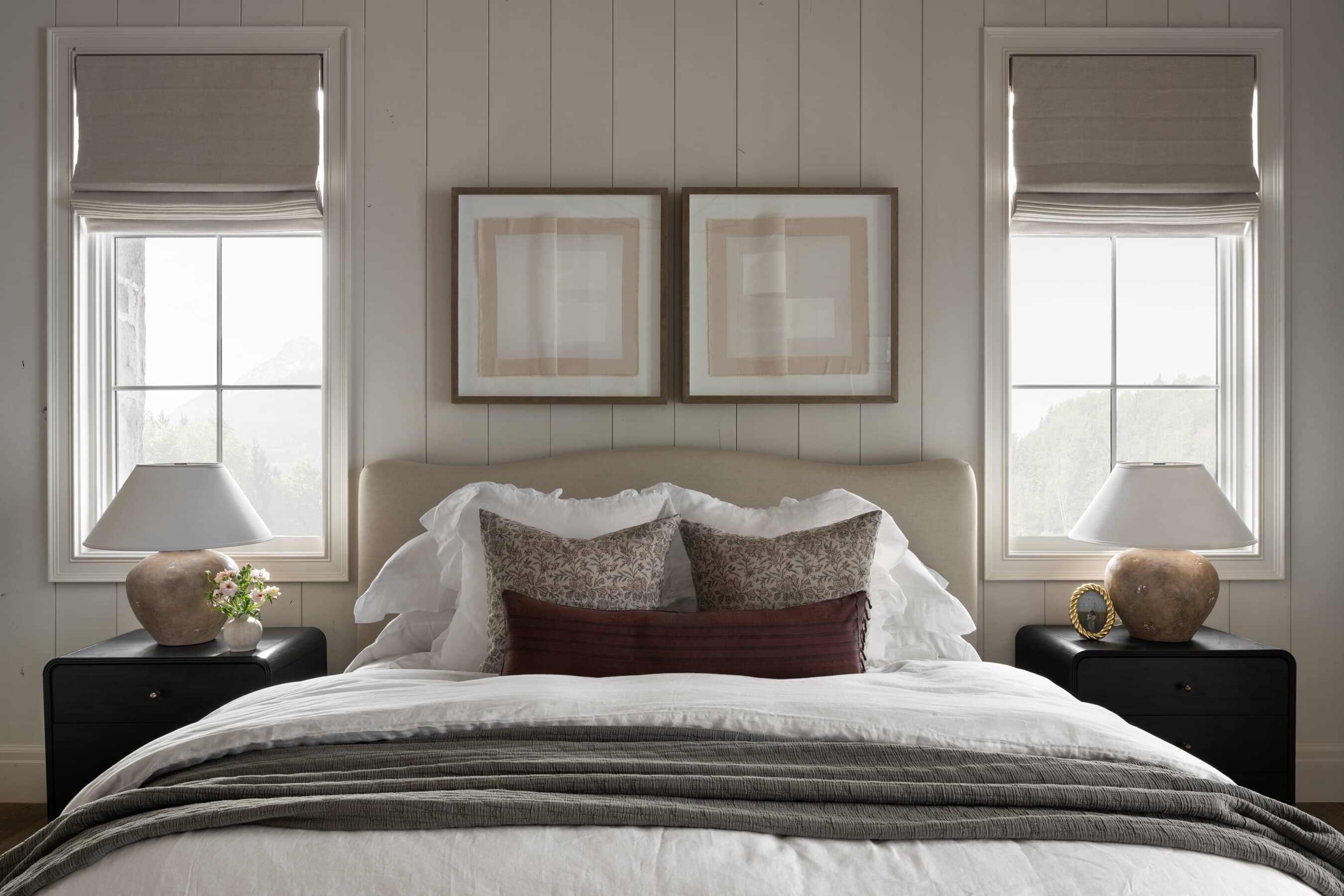
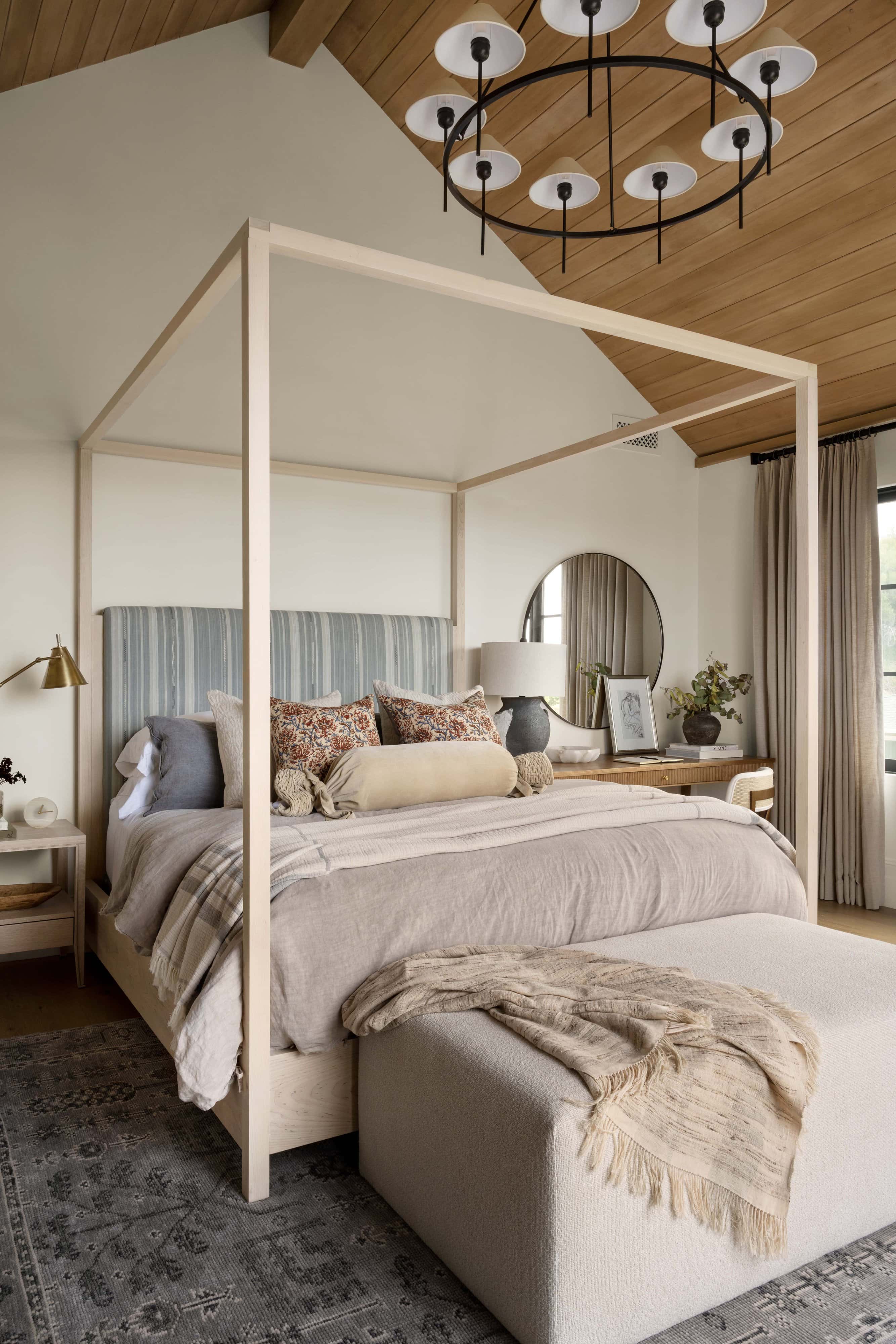
At Studio McGee, we specialize in subtly incorporating color into neutral rooms to maintain a classic look while adding depth and interest. To achieve this, consider introducing color and pattern through throw pillows or blankets for a soft, layered effect. Accent pieces like a side table, table lamp, or even a piece of artwork can also bring in just the right amount of color without overwhelming the space.
Shop McGee & Co
Pillows

Colette Scallop Border Pillow Cover
McGee & Co. x Loeffler Randall

Venetia Pillow Cover
McGee & Co.
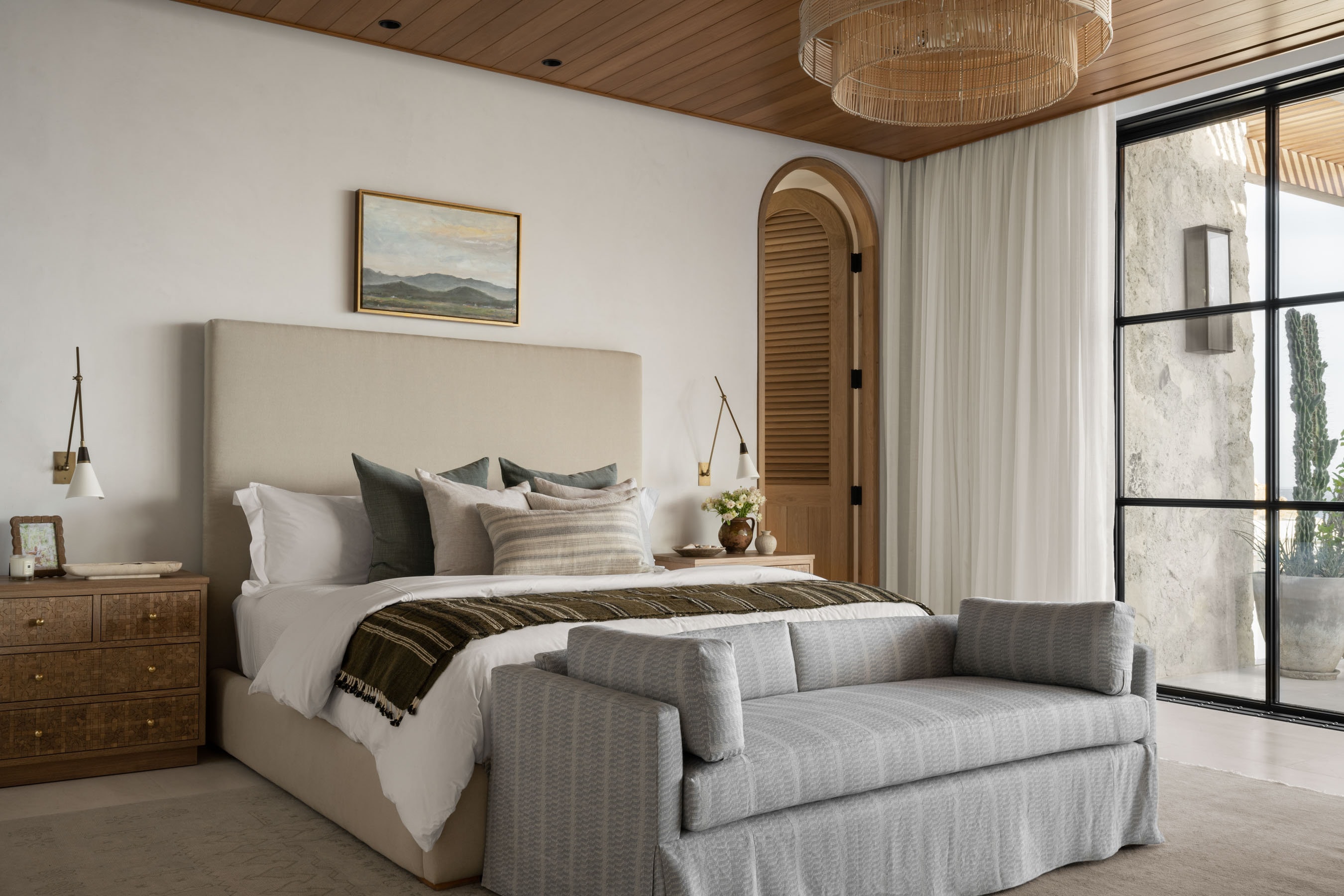
QuestionWhat are your best tips for layering bedding?
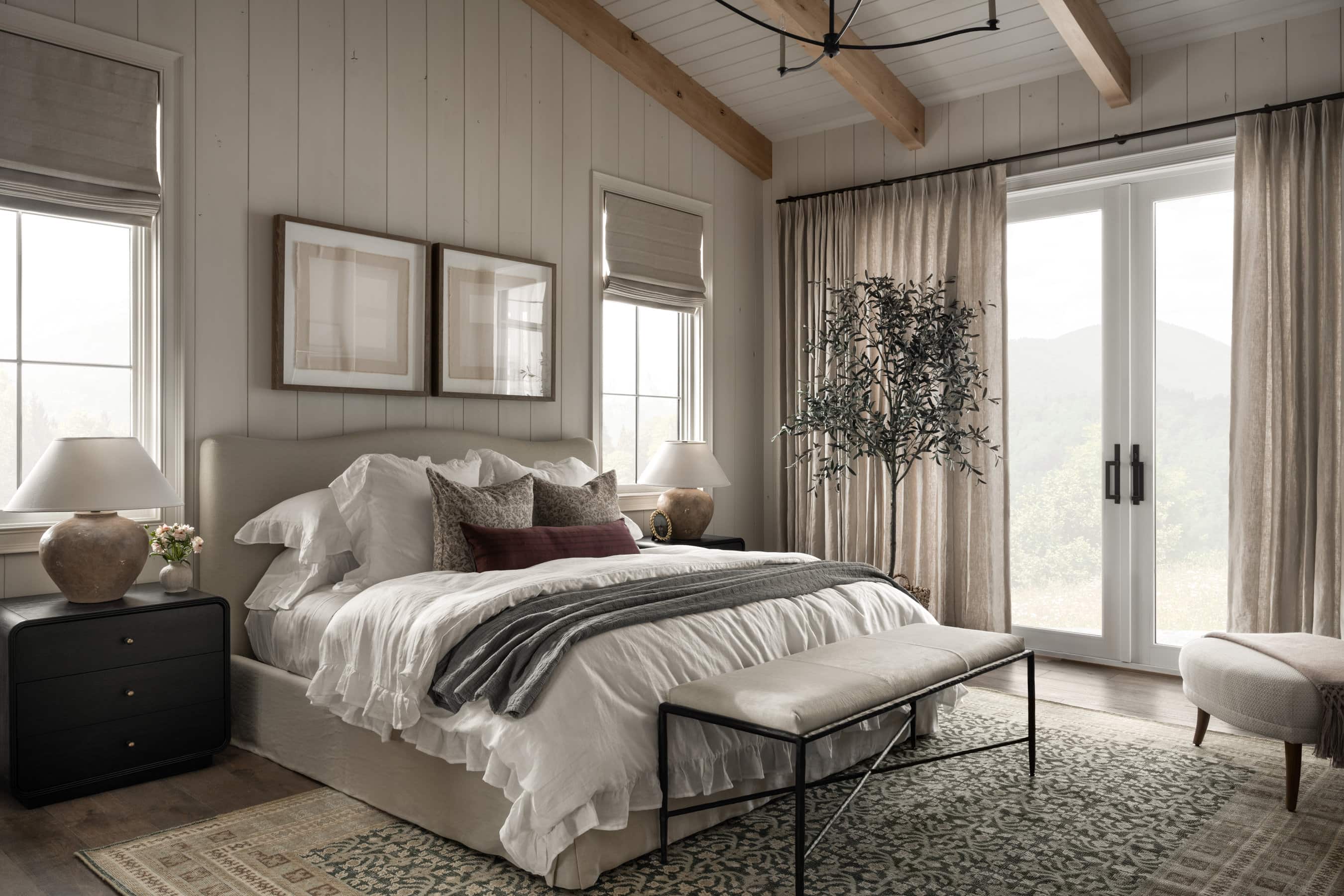
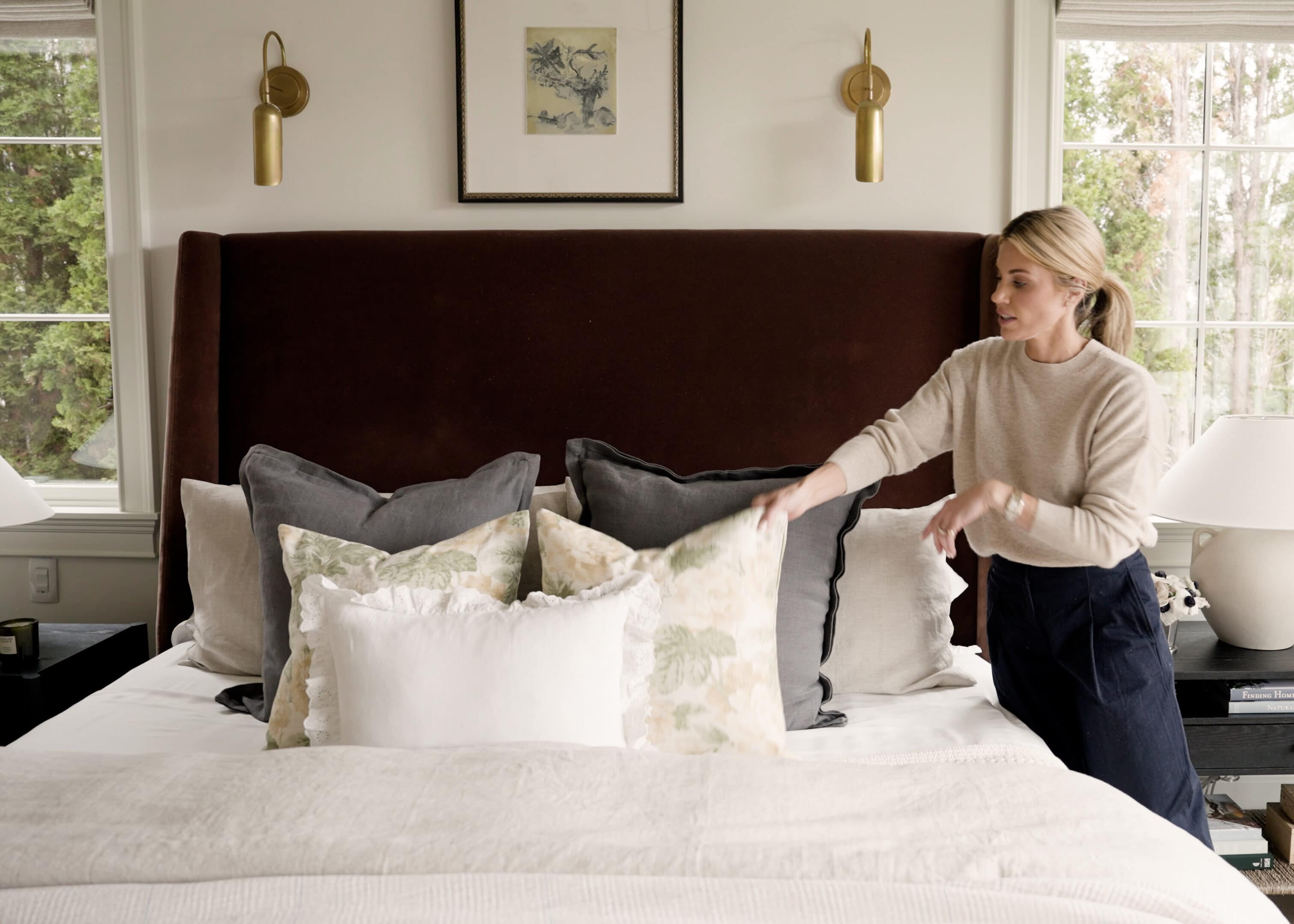
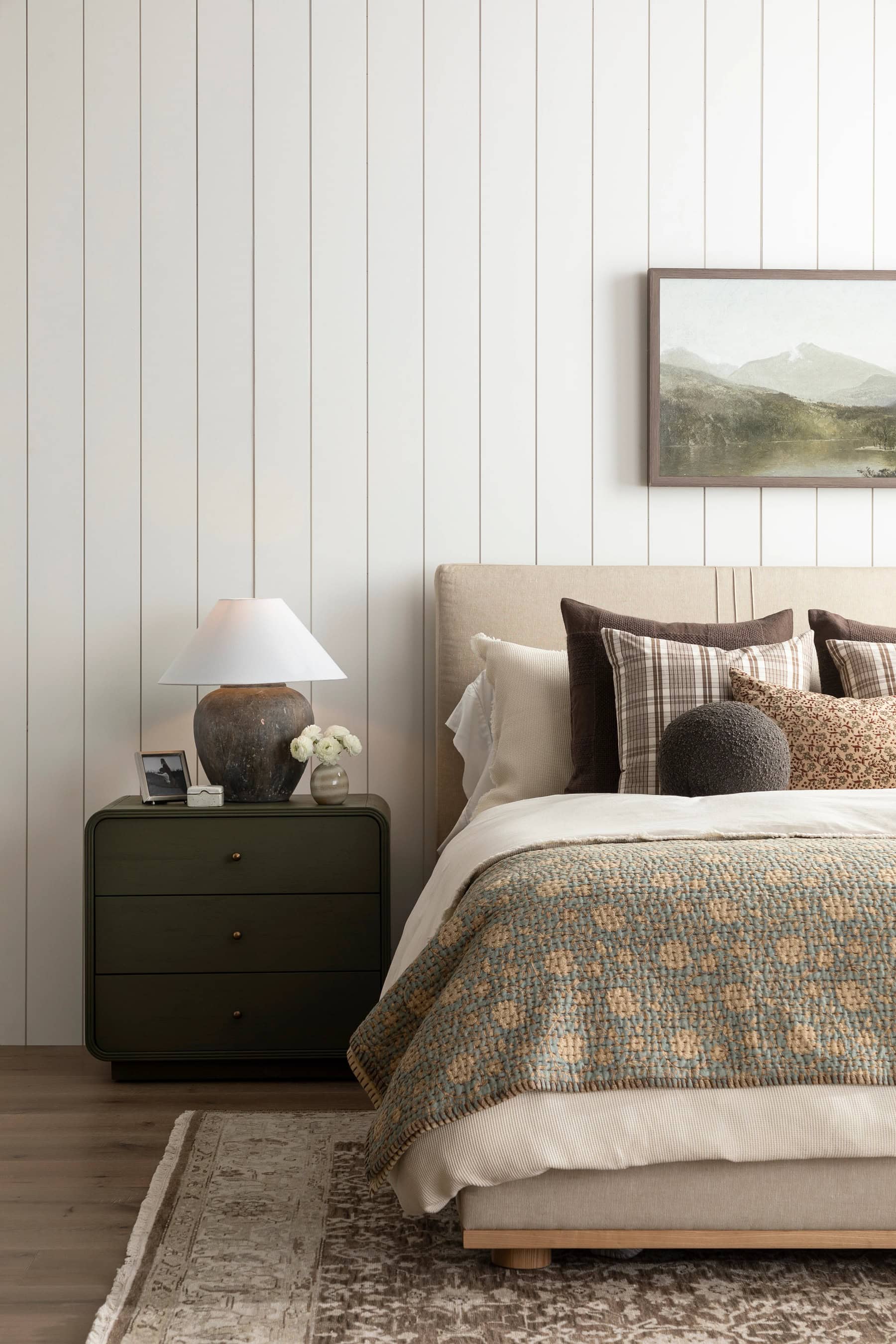
AnswerWhen layering bedding, start with a solid base, such as a high-quality duvet or comforter, and then build from there. Add a variety of textures, such as a cozy quilt or textured throw, to bring depth to the bed. Mix different materials, like cotton, linen, and wool, to create a dynamic, inviting look. To complete the layered effect, use throw pillows of varying sizes, shapes, and fabrics, which help add both style and comfort. Remember, the key is to mix textures and colors while keeping it cohesive for a balanced, relaxed feel.
Read How to Style an Elevated Bedding Look here.

Shop McGee & Co.
Quilts & Throws

Floral Matelasse Coverlet
McGee & Co.

Gabriella Block Print Quilt
McGee & Co.

Tulare Block Print Quilt
McGee & Co.

QuestionWhat are the best bedroom paint colors?
AnswerIn primary bedrooms, we frequently choose white paint for its calming and timeless appeal. This neutral backdrop offers versatile styling options while fostering a relaxing atmosphere. Some of our favorite shades include Westhighland White and Natural Tan by Sherwin Williams, Brooks by Portola Paints, Faded White by Farrow & Ball, and Swiss Coffee by Benjamin Moore.
Read Our Favorite Bedroom Paint Colors here.

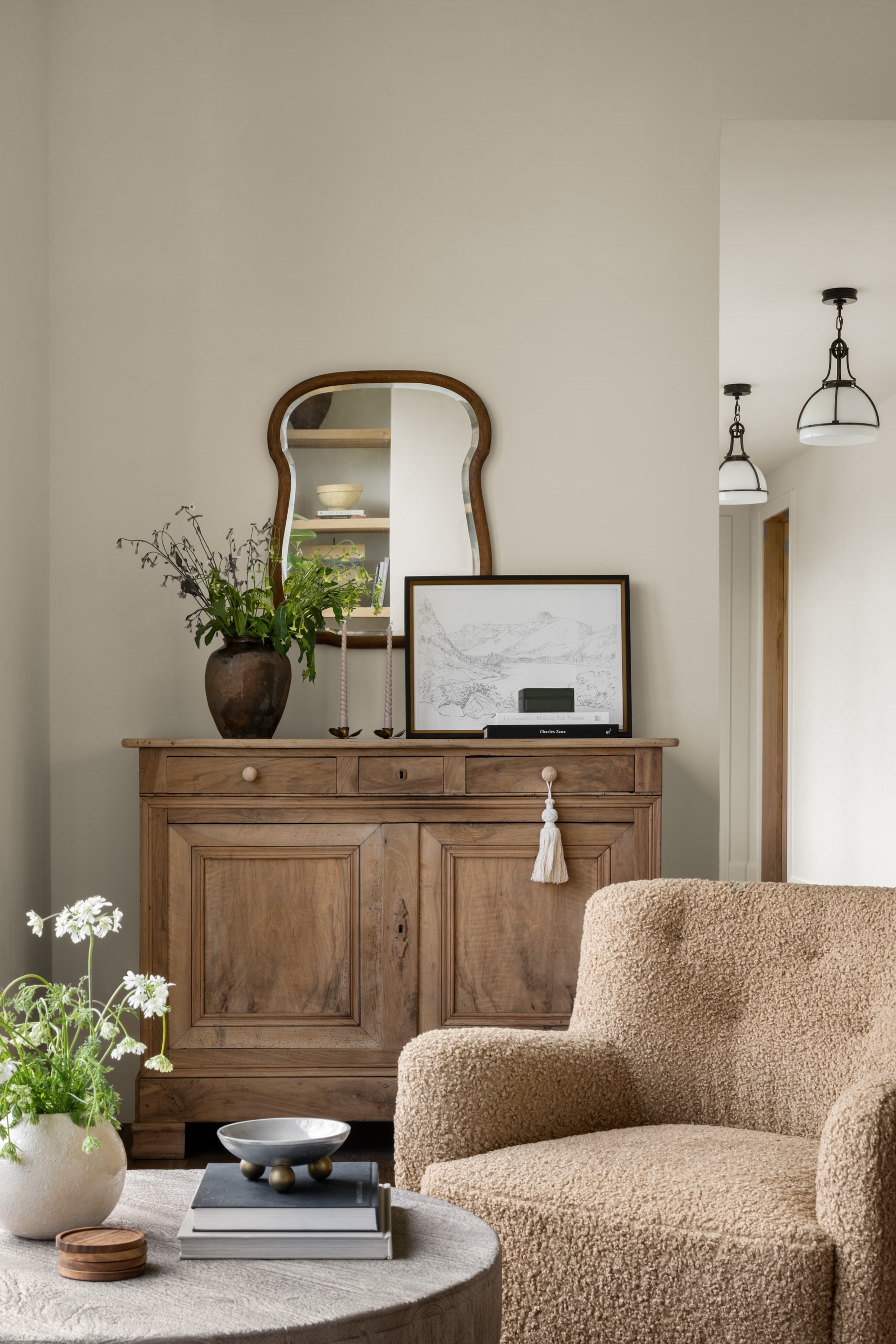

QuestionHow to make a bedroom feel cozy?
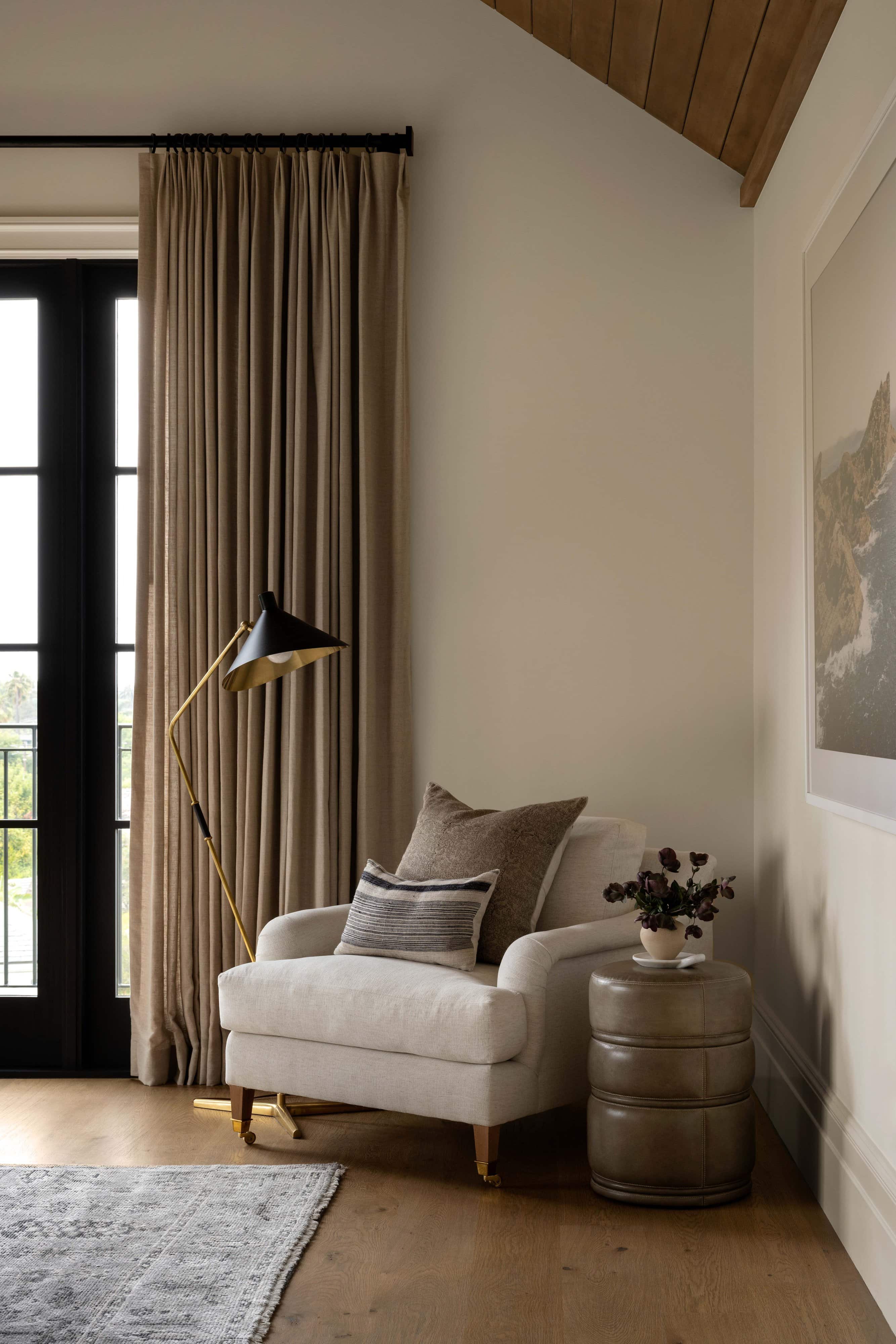
AnswerIncorporating cozy textiles is a simple yet effective way to add warmth to a bedroom. Another approach we love is creating inviting nooks and sitting areas, providing the perfect spot to relax with a good book.


Shop McGee & Co.
Lounge Chairs

Reedley Lounge Chair
McGee & Co.
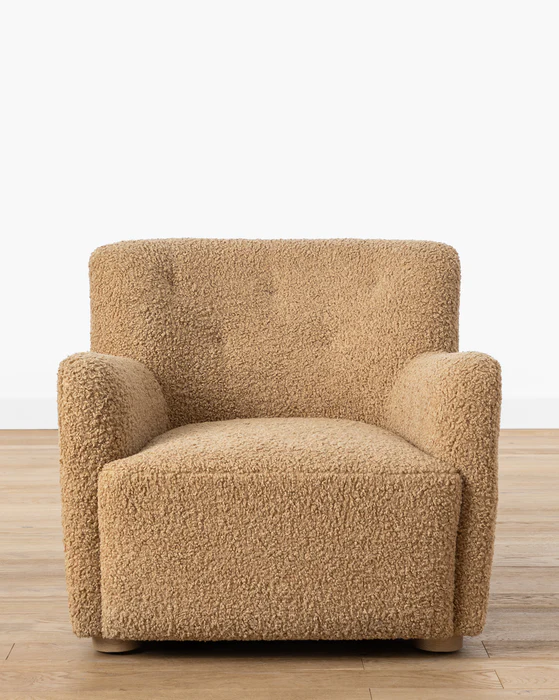
Magda Teddy Bear Boucle Lounge Chair
McGee & Co
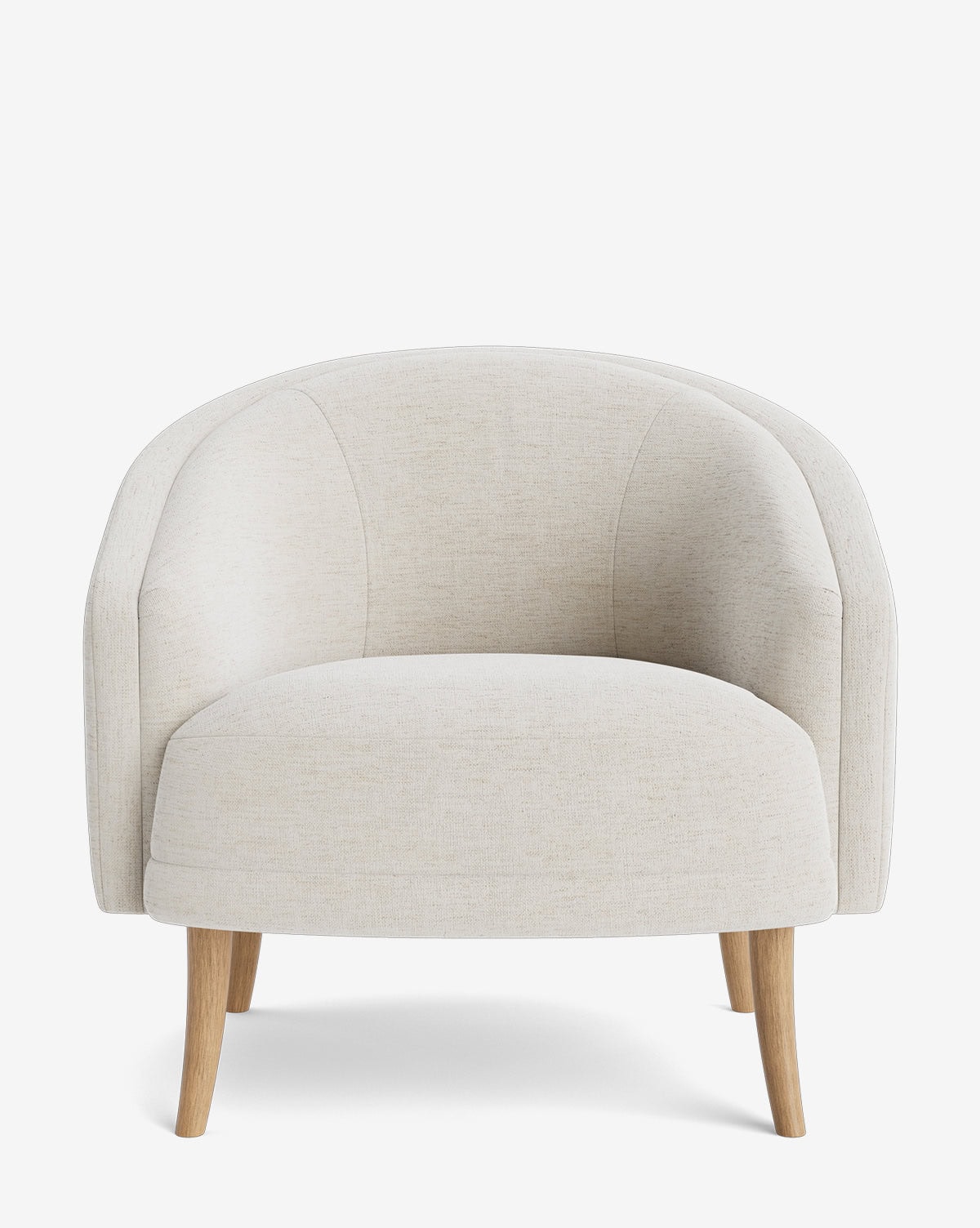
Marguerite Lounge Chair
McGee & Co.

QuestionWhat is the ideal size of artwork to hang above a bed for a balanced look?
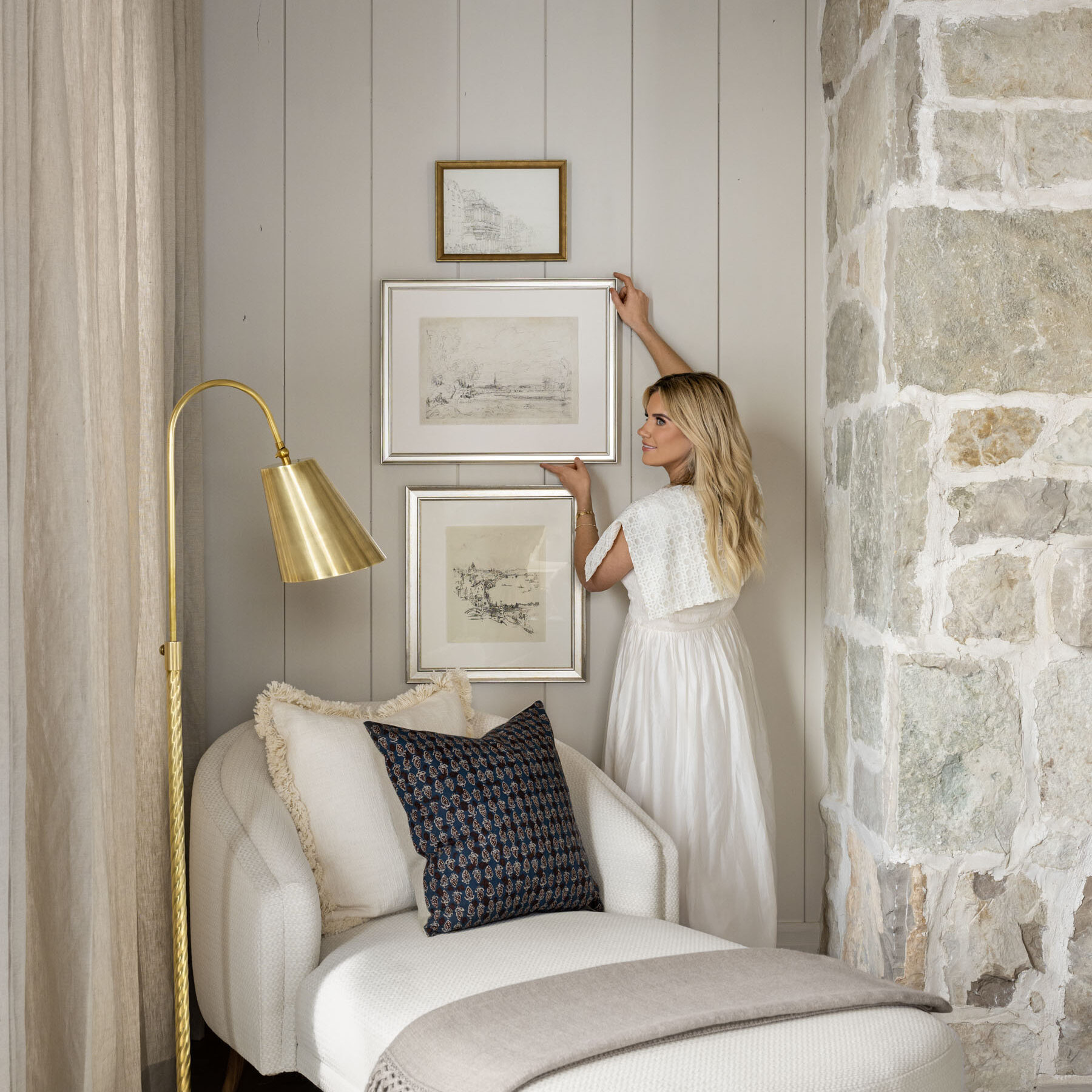
AnswerThere’s no one-size-fits-all approach to selecting artwork for above a bed—it can range from a single large piece to smaller pieces arranged as a gallery. It all depends on the look you’re aiming to achieve. A foolproof option is a horizontally oriented piece of art, which pairs perfectly with the shape of a bed. Alternatively, a set of three or four smaller frames arranged in a similar shape can create a balanced and cohesive look. When hanging artwork above a headboard, leave enough space between the top of the art and the ceiling for a clean, airy feel—we recommend at least 8 to 10 inches.
Read How to Style The Space Above Your Bed here.


Shop McGee & Co.
Artwrok

Countryside Collection II
McGee & Co.

Abstracted Votives
McGee & Co.

Blowing Brush
McGee & Co.

Shop McGee & Co.
Beds + Dressers

Sutherland Bed
McGee & Co.

Mackenna Dresser
McGee & Co.

Denning Upholstered Bed
McGee & Co.

Wilkins Dresser
McGee & Co.

Alessandra Dresser
McGee & Co.

Taylor Pleated Bed
McGee & Co.
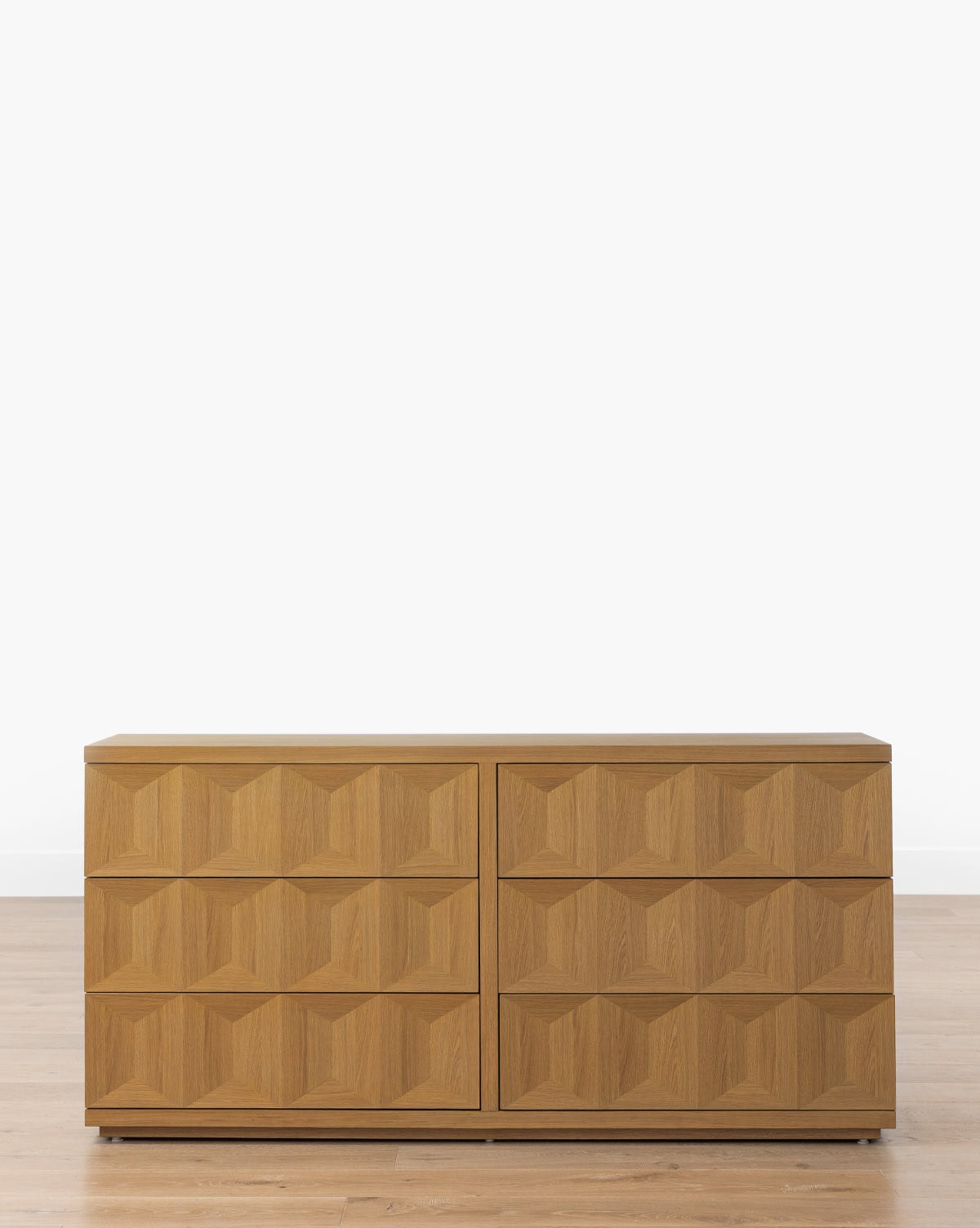
Beacon 6 Drawer Dresser
McGee & Co.

Sutherland Canopy Bed
McGee & Co.

Tellerbeck Dresser
McGee & Co.

Gilmore Canopy Bed
McGee & Co.

Tali Burl Wood Dresser
McGee & Co.

You May Also Like